

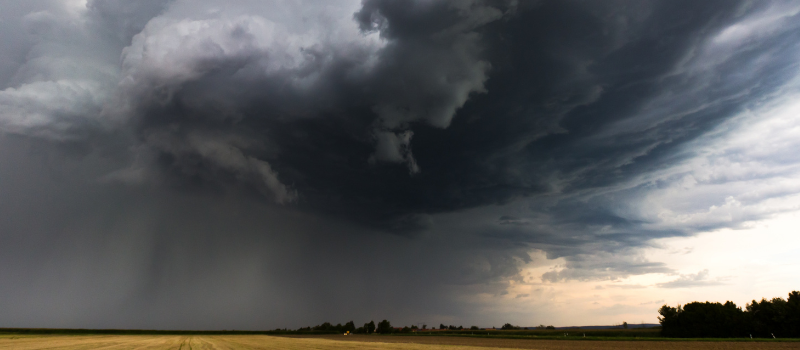
It starts like any other day.
Guests are checking in. Housekeeping is turning rooms. The campground is full. Then a weather alert appears on someone's phone, the sky darkens, and suddenly everyone is looking to your team for answers.
In moments like these, preparation matters.
Tornadoes and extreme wind events can develop quickly, leaving little time to make decisions. For accommodation providers, having clear procedures in place can help protect guests, support employees, reduce confusion, and speed up recovery after a storm.
Before Severe Weather Arrives
The strongest response starts before an alert is ever issued.
Take time to ensure your property has:
Regular staff training and emergency exercises can also help teams respond more confidently during a real event.
Know the Difference Between a Watch and a Warning
Understanding severe weather alerts is critical.
Tornado Watch
A tornado watch means conditions are favourable for tornado development.
During a watch, operators should:
Tornado Warning
A tornado warning means a tornado has been sighted or identified by radar. Action should be taken immediately.
When a warning is issued:
Communication Matters
During an emergency, guests may not know what to do or where to go.
Clear communication should include:
Simple, consistent messaging can help reduce confusion and keep people safe.
After the Storm
Once the immediate threat has passed, the focus shifts to safety and recovery.
Key priorities include:
Hotels may also find themselves supporting evacuees, emergency responders, or community recovery efforts during significant weather events. Be prepared to coordinate accommodations, communicate clearly with staff and guests, and work with local authorities or emergency partners as needs evolve.
Be Ready Before the Next Alert
Severe weather preparedness protects more than buildings. It gives your team clear direction, so they can move quickly, guide guests to safety, and support recovery when every minute matters.
For detailed checklists, sample guest communications, response procedures, and recovery planning resources, view AHLA's Tornado & Extreme Wind Preparedness & Response Guide here.
ADDITIONAL RESOURCES
Government of Alberta - Tornadoes and Extreme Winds Fact Sheet
Environment and Climate Change Canada Weather Alerts